


How to Clean Roof Shingles Safely

Updated: Sep 3
Black streaks on your roof aren't just cosmetic—they're usually caused by Gloeocapsa magma, a type of cyanobacteria that feeds on the limestone filler in asphalt shingles. Left untreated, it can spread across your roof, reduce curb appeal, and contribute to premature roof deterioration. This guide explains how roof shingles are cleaned safely, what homeowners should know before starting, and when it's best to call a professional.
Table of Contents
Step 1: Inspect the Roof and Choose a Safe Cleaning Method
Start with a dry, overcast day. Walk the perimeter, look for dark streaks, moss patches, or loose granules. Note any cracked or curling shingles; a soft wash can’t fix structural damage, but it can stop further decay.
Check the gutters for built‑up debris. Clogged gutters will spill cleaning runoff onto landscaping. Take photos of problem areas; they’re handy if you later hire a pro.
For asphalt shingles, a low‑pressure soft wash helps protect the granule coating. High‑pressure washing can lift granules and affect warranties.
If you're wondering whether roof cleaning can actually damage shingles, we've explained the risks of high-pressure cleaning, how soft washing helps protect asphalt shingles, and what homeowners should know before having their roof cleaned. Read our guide: Does Roof Cleaning Damage Shingles? Safe Methods for Asphalt Roofs].
Because we work throughout Central Florida, we also factor in humidity and tree cover when picking a cleaning schedule. If your roof is heavily shaded, you may need a clean every two years; a sunny, open roof can stretch to four years.
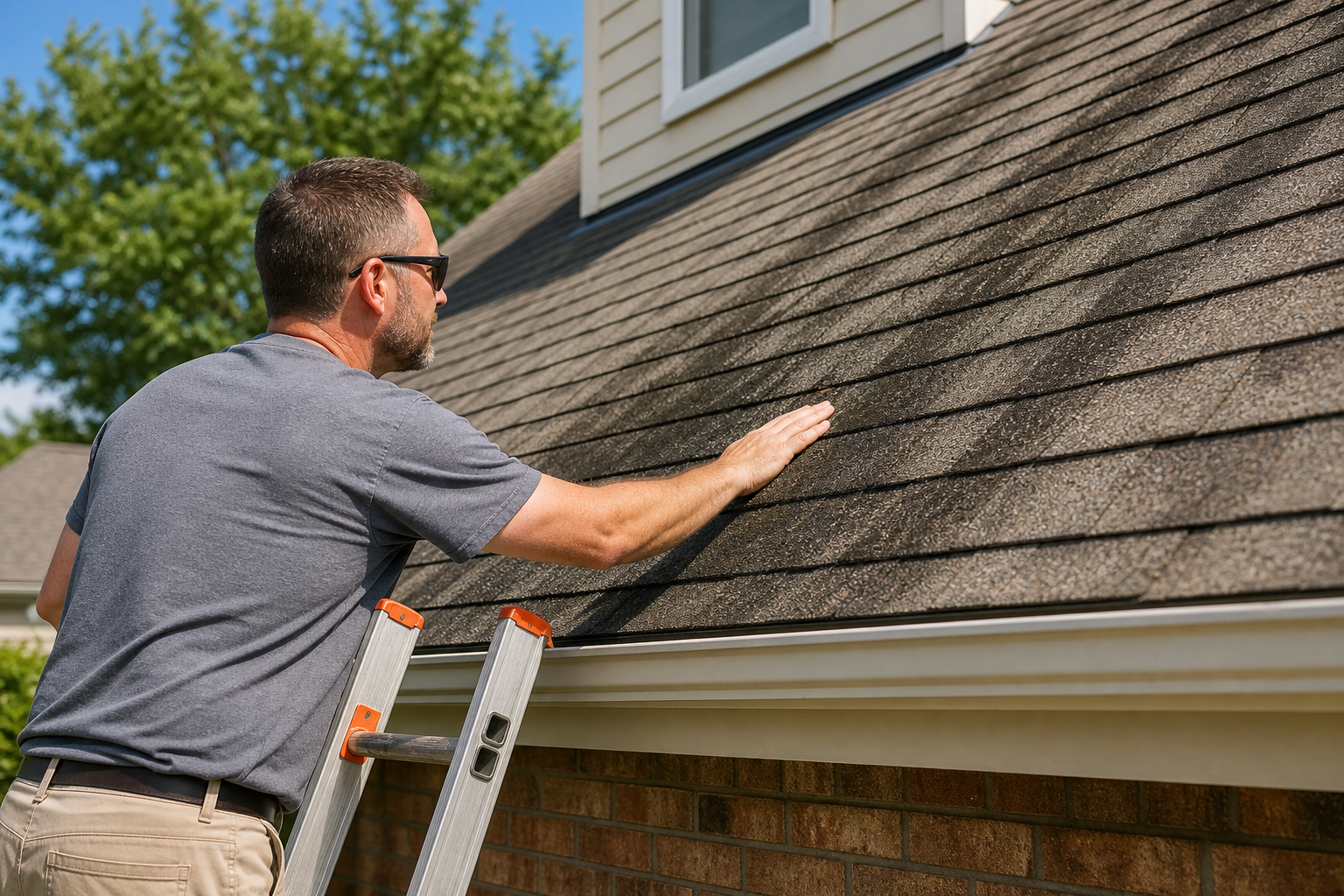
Once you've inspected the roof, decide whether it's safe to proceed. Never walk on a wet or steep roof without proper fall protection. If your roof is high, heavily stained, or difficult to access, hiring a professional roof soft washing company is the safest way to protect both your home and yourself.
Step 2: Gather Roof‑Safe Equipment and Protect Surrounding Areas
Safety gear is non‑negotiable. Appropriate safety precautions and a roof anchor help reduce the risk of a dangerous fall. Pair those with chemical‑resistant gloves, splash goggles, and a Tyvek suit to guard against bleach fumes.
The system applies the cleaning solution at low pressure, helping protect your shingles while effectively removing black streaks, algae, mold, and mildew.
Bring a water tank, a proportioner valve to mix the solution, and a garden hose for rinsing. A low-pressure applicator spreads the mix evenly without concentrating pressure.
Before cleaning, thoroughly wet nearby plants, shrubs, and grass with fresh water, then cover delicate landscaping if needed. Also protect outdoor furniture, vehicles, painted surfaces, electrical fixtures, and HVAC equipment from overspray. Taking a few extra minutes to prepare the area can prevent unnecessary damage.
Need a quick reference for the exact gear list? Performance Pressure Wash’s soft‑washing gear guide breaks down each component and why it matters.
Once you’ve suited up and staged the equipment, you’re ready for the chemistry.
Step 3: Apply a Low‑Pressure Soft‑Washing Solution
Professional roof soft washing uses a sodium hypochlorite-based cleaning solution combined with a surfactant to remove algae, mold, mildew, and other organic growth. The surfactant helps the solution cling to the roof, allowing it to break down stains without relying on high pressure.
Apply the cleaning solution evenly using low-pressure soft washing equipment designed specifically for roof cleaning. The goal is to thoroughly coat the affected areas while avoiding excessive pressure that could damage the shingles or remove their protective granules.
Watch the color change within seconds as the dark algae starts to fade. Let the solution dwell for 10‑15 minutes on heavily infested spots; lighter areas need only five minutes.
After the dwell, do a quick touch‑up on any stubborn patches. The chemistry continues working even after you leave the roof, so the next rain will finish the job.
Pro Tip: Use equipment that can be flushed with fresh water after the job, helping protect its seals.
When the chemicals have done their work, you’ll see a lighter, cleaner looking surface, that’s the sign you’re ready for the rinse.
Step 4: Rinse Carefully Without Damaging Shingle Granules
Depending on the cleaning solution and the roof's condition, rinsing may or may not be necessary. Many professional soft washing systems are designed to continue working after application, allowing natural rainfall to gradually rinse away the remaining residue while the cleaning agents finish eliminating organic growth.
If a rinse is recommended for the cleaning solution being used, use only a gentle stream of water. Never use a pressure washer on asphalt shingles, as excessive pressure can remove protective granules, damage the roofing material, and potentially void the manufacturer's warranty.
While you rinse, watch the gutters. Any remaining debris will spill into them and can cause staining on your landscaping.
After the roof is clean, give the gutters a quick flush. This removes any leftover sludge and ensures the next rain doesn’t carry it back onto the roof.
Key Takeaway: Low-pressure rinsing preserves the shingle’s protective granules and keeps your warranty intact.
If you’re unsure about the pressure settings, remember that a standard garden hose typically runs at about 40–60 psi, well within the safe range.
Step 5: Check the Results and Set a Maintenance Schedule
Stand on the ground and walk the perimeter. The roof should look noticeably lighter; any remaining dark spots likely need a second pass.
Inspect flashing, vent caps, and gutters for any damage that the cleaning may have revealed. A quick post‑clean walk‑through catches hidden issues before they turn into costly repairs.
Record the date, weather conditions, and any observations in a maintenance log. This log helps you track how fast algae returns, especially after heavy rain or after trimming nearby trees.
Your ideal cleaning frequency depends on the roofing material, shade, tree coverage, and how quickly organic growth returns. For a more detailed breakdown, see our guide on how often you should clean your roof.
In Central Florida’s humid climate, plan a soft‑wash repeat every 2‑4 years. If you have dense canopy cover, lean toward the shorter interval.
Need a reminder system? Performance Pressure Wash’s step‑by‑step guide includes a printable checklist you can hang in your garage.
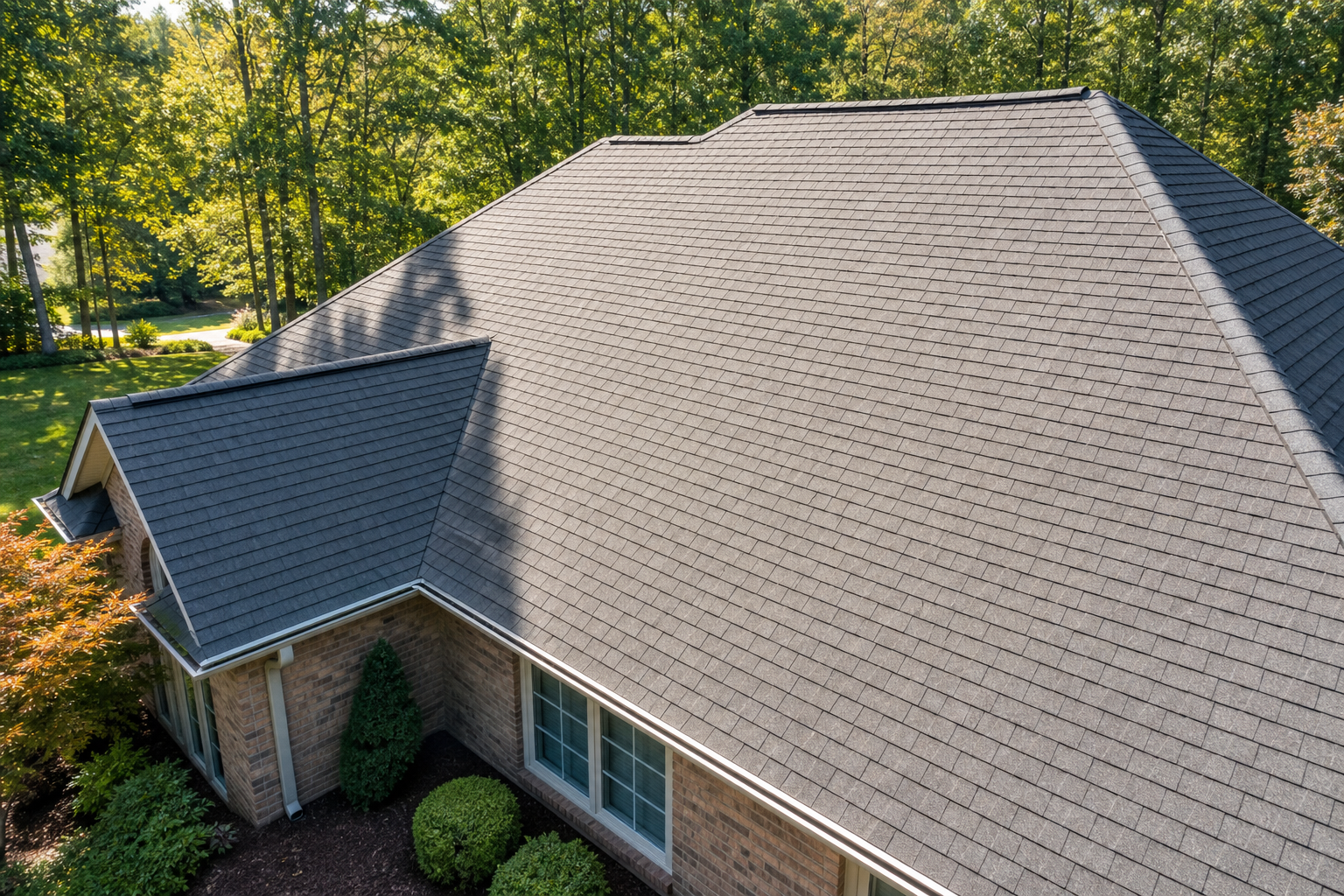
When the next cleaning window arrives, give the crew a heads‑up to check for any new moss or lichen growth. Regular inspections keep the roof’s lifespan healthy.
Common Mistakes to Avoid When Cleaning Roof Shingles
Even with the right equipment, small mistakes can lead to expensive roof damage. Avoid these common errors:
Using a pressure washer instead of a low-pressure soft washing system.
Walking on a wet or steep roof without proper fall protection.
Applying cleaning chemicals during the hottest part of the day, causing them to dry too quickly.
Failing to protect landscaping, outdoor furniture, or nearby surfaces from overspray.
Ignoring clogged gutters that can trap debris and cleaning runoff.
Attempting to clean a severely stained or damaged roof without professional experience.
Taking the proper precautions helps extend your roof's lifespan while keeping your home and family safe.
FAQ: Cleaning Roof Shingles Safely
Can I use a regular pressure washer on asphalt shingles?
No. High pressure strips the protective granules and can void the warranty. The industry standard is a low‑pressure soft wash under 100 psi.
What chemical kills the black streaks on my roof?
Professional roof cleaning solutions typically use sodium hypochlorite combined with specialized surfactants to safely remove algae, mold, and mildew from asphalt shingles.
Will cleaning my roof void the manufacturer's warranty?
Not when it's cleaned correctly. Most roofing manufacturers recommend low-pressure soft washing for removing algae and organic growth. Using high-pressure washing equipment, however, can damage shingles, remove protective granules, and may void certain roofing warranties.
How long does a professional roof cleaning last?
In Central Florida, most professionally cleaned roofs stay clean for approximately 2 to 4 years, depending on tree coverage, humidity, rainfall, and surrounding vegetation. Homes with heavy shade may require more frequent cleanings than homes with full sun exposure.
Do I need to wear protective gear?
Yes. Wear chemical‑resistant gloves, splash goggles, appropriate footwear, and appropriate safety equipment to stay safe from both chemicals and falls.
How often should I soft‑wash my roof in Central Florida?
Most homeowners benefit from a cleaning every 2‑4 years, but heavy shade or frequent rain may require a yearly touch‑up.
Can I skip the rinse and let rain do the job?
Rain will finish rinsing, but a gentle manual rinse ensures all dead algae and chemicals are removed, preventing any residue from attracting new growth.
Should I hire a professional instead of DIY?
Professional crews bring licensed insurance, appropriate safety equipment, and precise chemical dosing, which reduces risk and protects your warranty.
Why Choose Performance Pressure Wash for Roof Cleaning?
Roof cleaning is about more than improving curb appeal. Using the wrong equipment or too much pressure can damage shingles, shorten the life of your roof, and even void certain manufacturer warranties. That's why we use professional soft washing methods designed to safely remove algae, mold, mildew, lichen, and black streaks without relying on high pressure.
At Performance Pressure Wash, we proudly serve homeowners throughout Central Florida with safe, reliable roof cleaning services. We take the time to protect your landscaping, use professional-grade equipment, and treat every home as if it were our own. Whether your roof has light algae staining or years of built-up organic growth, our experienced team can restore its appearance while helping protect your investment.
Ready to Restore Your Roof?
If your roof is covered with black streaks, algae, moss, or lichen, don't wait until the damage gets worse. Performance Pressure Wash provides professional roof soft washing throughout Central Florida using low-pressure cleaning methods that safely remove organic growth without damaging your shingles.
Contact us today for a free estimate and discover why homeowners throughout Orlando,
Kissimmee, Winter Garden, Lake Nona, Windermere, Celebration, and surrounding Central Florida communities trust Performance Pressure Wash to keep their roofs looking their best.
Ready to restore your roof safely? Performance Pressure Wash provides professional roof soft washing throughout Central Florida using low-pressure cleaning methods that safely remove algae, mold, mildew, and black streaks without damaging your shingles. If your roof is showing signs of organic growth, contact us today for a free estimate and let our experienced team help extend the life of your roof.


Comments