


How Soft Washing Process Ensures Safe Cleaning
- Perfomance Pressure
- Apr 6
- 3 min read

Soft washing is a cleaning method that uses low pressure combined with specialized cleaning solutions. This approach removes dirt, mold, algae, and other contaminants safely from surfaces. It protects the integrity of the property while delivering effective results. I will explain how soft washing works, why it is safe, and how it benefits your property.
Understanding the Soft Washing Process
The soft washing process uses a gentle water stream and biodegradable cleaning agents. Unlike traditional pressure washing, which relies on high pressure to blast away grime, soft washing relies on chemicals to break down contaminants. This method reduces the risk of damage to surfaces such as roofs, siding, and painted wood.
The process begins with applying a cleaning solution that targets organic growth like algae and mildew. After allowing the solution to dwell and work, the surface is rinsed with low-pressure water. This ensures thorough cleaning without stripping paint or damaging delicate materials.
Soft washing is especially useful for cleaning roofs, where high pressure can dislodge shingles or tiles. It also works well on vinyl siding, stucco, and wood surfaces. The process extends the life of these materials by removing harmful growths that cause decay.
Why Soft Washing Is a Safer Cleaning Method
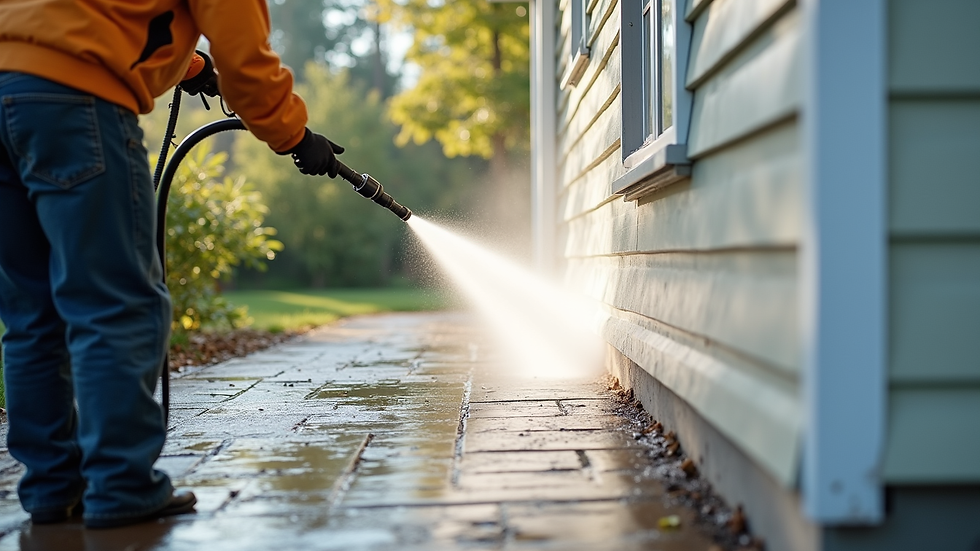
Soft washing ensures safe cleaning by minimizing physical impact on surfaces. High-pressure washing can cause chips, cracks, or erosion. Soft washing avoids these risks by using low pressure and effective cleaning agents.
The cleaning solutions used in soft washing are designed to be safe for plants, pets, and people when applied correctly. They break down organic matter without harsh abrasives. This reduces the chance of injury or environmental harm.
Soft washing also prevents water intrusion. High-pressure washing can force water behind siding or under shingles, leading to mold growth and structural damage. Soft washing’s gentle rinse avoids this problem.
For commercial properties, soft washing protects signage, lighting, and delicate architectural features. It cleans without causing wear or fading. This helps maintain a professional appearance over time.
How long should it take to soft wash a house?
The time required to soft wash a house depends on several factors:
Size of the house: Larger homes take longer to clean.
Surface type: Roofs and textured siding require more care.
Level of dirt and growth: Heavily soiled areas need longer dwell time for cleaning solutions.
Access and safety considerations: Multi-story homes or difficult-to-reach areas slow the process.
On average, a typical single-family home can be soft washed in 2 to 4 hours. This includes applying the cleaning solution, allowing it to work, and rinsing thoroughly. Complex jobs may take longer.
Planning for soft washing should include time for preparation and post-cleaning inspection. This ensures all areas are cleaned safely and effectively.
How Does Soft Washing Work?
If you want to understand the details, you can learn more about how does soft washing work. In brief, soft washing uses a mix of water, bleach, and surfactants. The bleach kills mold and algae, while surfactants help the solution stick to surfaces and penetrate grime.
The low-pressure spray applies the solution evenly. After a dwell time of 10 to 15 minutes, the surface is rinsed gently. This method cleans deeply without damage.
Soft washing also prevents regrowth. The chemicals used remain active on surfaces for some time, reducing the chance of mold or algae returning quickly.
Practical Benefits of Soft Washing for Property Maintenance
Soft washing offers several practical benefits for property owners:
Preserves surface integrity: No damage to paint, shingles, or siding.
Improves curb appeal: Removes stains, algae, and dirt for a fresh look.
Extends lifespan of materials: Prevents decay caused by organic growth.
Reduces health risks: Eliminates mold and mildew that can affect air quality.
Environmentally responsible: Uses biodegradable solutions and less water than pressure washing.
For commercial properties, soft washing helps maintain a clean, professional image. It also reduces maintenance costs by preventing damage and decay.
Homeowners benefit from safer cleaning that protects landscaping and outdoor features. Soft washing is a cost-effective way to keep a property looking its best year-round.
Choosing Soft Washing for Safe and Effective Cleaning
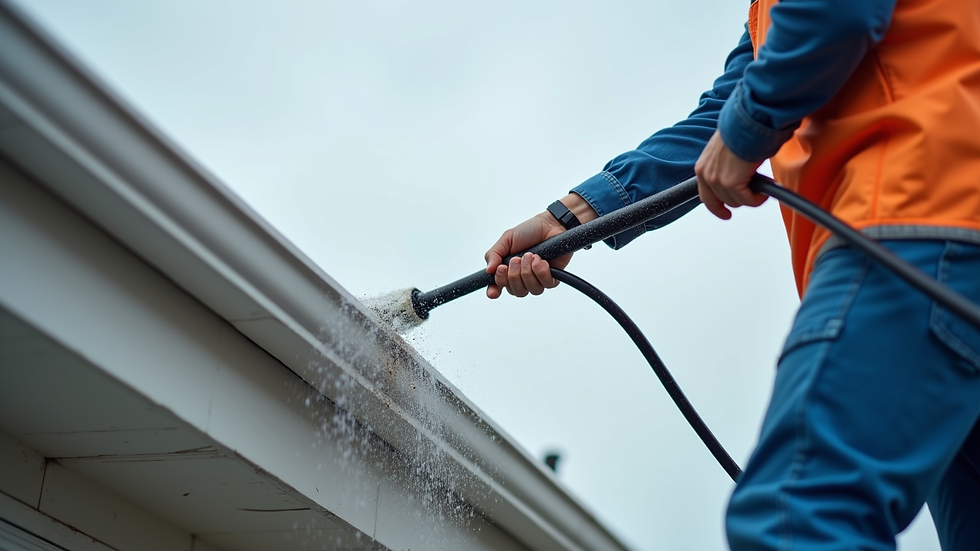
Soft washing is the preferred method for safe cleaning of many property surfaces. It balances effective removal of contaminants with protection of materials. This method reduces risks associated with high-pressure washing.
When selecting a cleaning service, ensure they use proper soft washing techniques. This includes using the right cleaning solutions, equipment, and safety measures. Proper training and experience are essential for best results.
Soft washing is a smart investment in property maintenance. It restores beauty and value while minimizing damage and environmental impact. For long-term care, soft washing is a reliable and safe cleaning solution.
By choosing soft washing, you ensure your property receives thorough cleaning without compromise. This method supports the longevity and appearance of your home or commercial building.


Comments