


Best Oil Stain Removal From Driveway Options
- Perfomance Pressure
- 2 days ago
- 11 min read

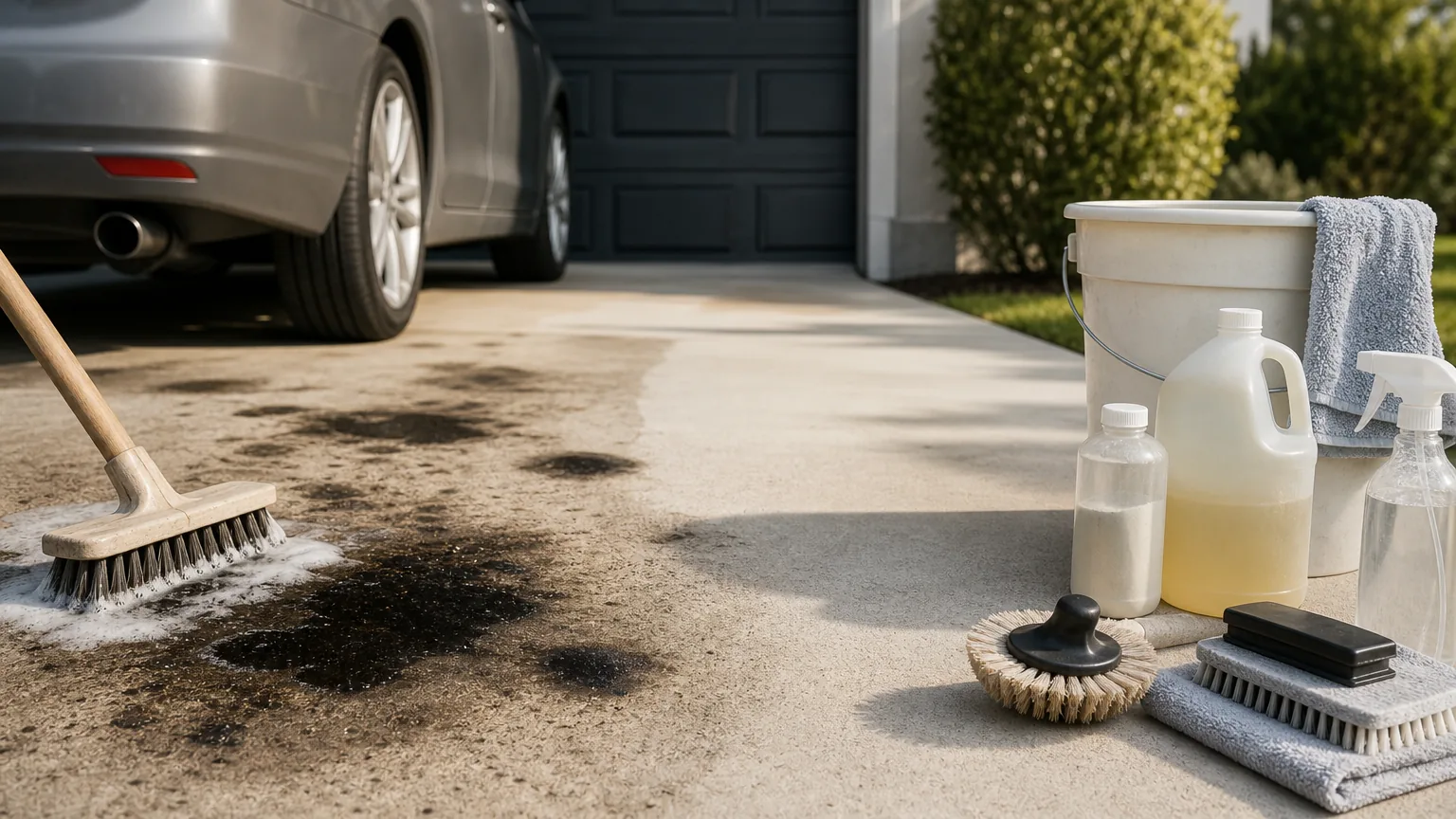
Old oil stains can make a clean driveway look neglected. We compared the main fixes, including store-bought cleaners, household powders, poultices, hot-water cleaning, and professional service. Here are the best oil stain removal from driveway options, plus who each one suits and where it falls short.
Table of Contents
1. Performance Pressure Wash (Our Top Pick)
Performance Pressure Wash is our top pick for large, old, or baked-in driveway oil stains. We’re a licensed and insured family-owned exterior cleaning company serving Central Florida homeowners, property managers, and businesses.
Oil removal often needs more than low-pressure cleaning. Soft washing works well for organic growth, such as algae, mildew, and lichen, because the cleaning solution does the main work. But baked grease and stubborn oil need our high-heat water system with the right degreasing agents. Heat helps loosen the grease before we rinse it from the concrete.
We start by checking the surface. Concrete, pavers, painted areas, and nearby landscaping each need a different approach. We then apply a suitable pre-treatment, allow it time to work, and rinse with commercial-grade equipment. That process helps keep runoff away from plants and avoids forcing stain residue deeper into the surface.
Our method fits a homeowner preparing to sell, an HOA handling a notice, or a property manager facing a wide parking area. It also makes sense when repeated DIY attempts have left a dark outline behind.
The limitation is simple: professional cleaning costs more than using powder from your garage. Results can also vary when oil has soaked deep into porous concrete for years. We’ll explain what is realistic before work begins.
For homeowners in the Orlando area, our driveway cleaning service in Orlando includes surface inspection, oil pre-treatment, cleaning, and post-treatment.
Best fit:large stains, old stains, commercial sites, pavers, and anyone who wants the work handled with surface protection in mind.
2. Cleaner for Fresh and Moderate Oil Spots
A concrete-safe cleaner is a strong first choice for fresh spills and moderate oil stains. These products are made to break down grease on hard surfaces, so they usually beat plain dish soap.
We like this option when the stain is still fairly new and covers a small area. First, remove loose dirt. Apply the cleaner as its label directs. Let it dwell for the stated time, then scrub with a stiff brush and rinse well. Some products need a short dwell period. Others work better when they stay wet longer.
Expect to repeat the treatment for a dark stain. Concrete has pores, and oil can move below the surface. A single rinse may make the top look better while leaving the deeper mark in place.
Wear gloves and eye protection. Keep the cleaner off plants, painted walls, aluminum, and storm drains. Never mix cleaners. A strong odor does not prove that a product is working.
For a large driveway, hand scrubbing can become the weak point. You may spend more time pushing a brush than removing the stain. That’s when a cleaner paired with hot water becomes a better route.
Choose this when:the spill is fresh, the area is small, and you can follow the product label closely.
3. Bio-Based or Enzymatic Cleaner, Best Greener Alternative
A bio-based or enzymatic cleaner uses biological action to break down oil over time. It suits homeowners who want a lower-impact option and don’t need the stain gone within an hour.
These cleaners usually need the surface to stay damp while they work. Read the label for contact time. Some treatments may need many hours or more than one application. Scrubbing can help, but patience is part of this choice.
Microbial treatments are sometimes described as having bacteria that consume oil. That idea can work well for some stains, but results depend on the oil type, surface, weather, and time allowed. Rain can dilute a treatment before it has finished working.
We’d consider this route for a light-to-moderate stain on a driveway away from heavy foot traffic. It’s less appealing for a property manager who needs a parking area ready the same day.
“Greener” does not mean harmless in every setting. Check the label, protect nearby soil, and collect dirty residue when the directions require it. A cleaner still needs proper use and disposal.
For deep, old oil, we’d usually pair this choice with absorption or professional hot-water cleaning rather than rely on one application.
4. Absorbent Material Poultice, Best for Absorbing a Fresh Spill
An absorbent-material poultice is one of the simplest ways to absorb a fresh oil spill. It works best before the oil has had time to spread through the concrete.
Cover the wet spot well with a suitable absorbent material. Press it into the spill with a shoe or a flat tool, then leave it in place long enough to absorb the oil. Sweep up the used material before washing the area.
This method needs little equipment. It also reduces the amount of liquid oil that reaches a drain. That makes it a smart first response for a vehicle leak.
But an absorbent material is not a stain eraser. It may pull up surface oil while leaving a gray or brown shadow below. A cleaner can help after the material is removed.
Don’t hose oily absorbent material into the street. Put the used material in a sealed container and check local waste rules. The right disposal method can vary by area and by the amount of oil involved.
We recommend keeping a small amount of absorbent material in a garage or maintenance room. It’s useful for the first few minutes after a leak, which are often the most valuable.
5. Absorbent Poultice, Best Low-Cost Deep-Stain Absorbent
An absorbent poultice can form a thicker layer for oil stain removal from driveway concrete. The material absorbs liquid and helps draw residue toward the surface.
Spread the dry absorbent material over the stain. Add enough water to form a damp paste, not a runny slurry. Keep the paste over the full mark, with a little overlap around its edge. Let it dry, then sweep it up before rinsing.
The drying phase matters. As moisture leaves the paste, it can pull some oil toward the absorbent material. This is more useful on a small, deep mark than on a broad parking area.
Use a clean absorbent material without paint, solvents, or treated additives. It may clump when damp and can leave dust behind, so a final low-flow rinse may be needed.
This method takes time and can need more than one round. It also creates used waste that contains oil. Don’t scatter it across the yard or sweep it into a gutter.
For a rental move-out or an HOA deadline, the slow pace may not suit you. For a fresh garage spill, it can be worth trying before buying a stronger cleaner.
6. Coca-Cola, Best-Known Household Experiment for Small Spots
Coca-Cola is a familiar household experiment for small oil spots. It may loosen some surface residue, but we don’t rank it near the top for deep stains.
The usual approach is to wet the spot, pour the drink over it, let it sit, then scrub and rinse. Keeping the area wet may give the liquid more time to work. A paper towel or absorbent pad can help keep it from spreading across clean concrete.
After the surface dries, inspect the mark again. Wet concrete can make a stain look lighter than it really is. Wait until the driveway is fully dry before deciding if the test helped.
This option has low effort if you already have it at home. It also has a clear drawback: a sugary drink can leave a sticky film. You’ll need to rinse well, and the result may be modest.
We’d use this only on a small, fresh spot when the goal is a quick household test. A proper degreaser is a better choice for an old oil leak.
Don’t judge any cleaner by its look while the slab is wet. The dry surface is the fair test.
7. Mild Household Cleaning Paste, Best for Light Surface Residue
A mild household cleaning paste can lift light surface residue from a driveway. It is easy to mix and gives the mild abrasive powder more contact with the stain.
Wet the area lightly. Add the cleaning ingredients and enough liquid to make a thick paste. Work it into the concrete with a stiff brush, then let it sit before rinsing. For a stubborn but shallow mark, a longer dwell time may help.
The cleaning paste can cut some grease, while its mild abrasive powder helps scrub the surface. That does not mean the paste reaches deep oil trapped in porous concrete. Scrubbing harder can also wear down a weak or decorative surface.
Use this method for a small mark near a garage door or parking pad. It’s a poor match for a wide stain that has been exposed to sun, rain, and traffic for years.
Rinse slowly and watch where the dirty water goes. Keep it away from storm drains and garden beds. If the paste turns dark with oil, sweep up the residue before using water.
We’d try this before a stronger chemical cleaner when the stain is light. Stop if several rounds do not change the dry mark.
8. Laundry Detergent, Best Readily Available Powder Cleaner
Powdered laundry detergent is a readily available cleaner for small to moderate oil spots. It can work with firm scrubbing, but the effort is often higher than people expect.
Apply the powder to a damp stain. Work it in with a stiff brush, then let it sit for the time listed in the directions or used in the test method. Rinse thoroughly after the dwell period and check the area once it dries.
This choice is useful when you need to act now and don’t have a concrete degreaser. It may also help with surface dirt around the oil mark.
The tradeoff is elbow grease. Large marks may need several scrub cycles. A drill brush can speed the work, but it can also damage the surface if used too hard or too long.
Keep detergent runoff away from plants and drains. A product made for laundry is not automatically the right choice for outdoor discharge. Follow the package directions and collect oily residue where needed.
For a small fresh stain, it’s reasonable. For baked grease, our high-heat system is usually more efficient than repeated hand scrubbing.
9. Targeted Cleaning for Baked-On or Large Stains
A targeted cleaning method can help with baked-on or large stains. The cleaning agent loosens the oil. Warm water helps release grease before the rinse.
Low pressure alone may not remove stubborn baked grease. That’s why we don’t use a soft-wash approach for every driveway stain. Soft washing is suited to organic buildup on delicate surfaces. Concrete oil needs the right cleaner, heat, pressure, and rinse control.
Work in manageable areas. Pre-treat the stain, allow the cleaner to dwell, then agitate where needed. Rinse toward a controlled collection point rather than letting oily water run into the street.
Too much pressure can etch concrete, expose aggregate, damage paver joints, or leave clean stripes. A narrow wand held too close can make the repair look worse than the original stain. Surface type matters as much as machine strength.
This is where a professional team earns its fee. Performance Pressure Wash uses commercial-grade equipment and adjusts the method for concrete, pavers, surrounding walls, and landscaping.
Use eye protection and gloves around degreasers. Test a small hidden area first, especially when the driveway has a coating or decorative finish. If the stain covers most of the slab, get a plan before you start.
Key Takeaway:For baked grease, the cleaning agent and heat do the heavy work. Pressure must match the surface.
10. Preventive Surface Treatment After Cleaning, Best for Preventing Repeat Oil Stains
A preventive surface treatment is a step after cleaning. It can reduce how quickly new oil enters the surface, which gives you more time to absorb a future spill.
Clean the driveway first. The slab must be dry enough for the treatment to bond. Any oil left below the surface can affect the final look or keep bleeding through.
Choose a treatment made for the surface in question. Plain concrete, decorative concrete, and pavers may need different products. Follow the label for weather, cure time, and recoat rules.
A preventive treatment does not make a driveway stain-proof. A leaking vehicle can still leave a mark. It simply makes the next cleanup easier when you act soon.
Place a drip tray under a parked vehicle with a known leak. Keep up with vehicle maintenance, especially when a small spot grows after each visit. Property managers can add leak checks to routine parking-area inspections.
In Central Florida, humidity and frequent rain can slow drying. Plan the work around the forecast and protect the surface from traffic until the treatment cures.
We also recommend regular exterior care. Our guidance on how often to wash driveways and sidewalks can help homeowners set a maintenance schedule.
Compare the 10 Oil Stain Removal From Driveway Options
The best choice depends on stain age, size, surface type, and how much effort you want to spend. This table gives us a quick decision view rather than pretending one method fits every driveway.
Option | Best use | Effort | Main limitation |
Performance Pressure Wash | Large or deep stains | Low homeowner effort | Professional service cost |
Commercial cleaning product | Fresh to moderate spots | Moderate | May need repeat treatments |
Bio-based cleaner | Lower-impact cleaning | Moderate | Needs time to work |
Absorbent material | Fresh spills | Low | Absorbs oil but may not remove the stain |
Loose absorbent material | Small deep spots | Moderate | Creates oily waste |
Coca-Cola | Small household test | Low | Weak choice for old oil |
Household cleaning paste | Light residue | Moderate | Limited depth |
Laundry detergent | Small accessible spots | High | Needs firm scrubbing |
Combined cleaning method | Baked grease or broad stains | High DIY effort | Surface damage if misused |
Post-cleaning protective coating | Future stain prevention | Moderate | Must follow cleaning and cure steps |
For a single fresh drop, start with absorption. For a broad, old mark, skip the kitchen experiments and get a surface-specific cleaning plan. Our driveway cleaning service options in Orlando are a sensible next step when the stain is beyond hand scrubbing.
Pro Tip:Take a photo while the stain is dry. Compare the same spot after each treatment, because wet concrete can hide the true result.
Frequently Asked Questions
What is the fastest way to remove oil from a driveway?
The fastest route is to absorb a fresh spill at once, then use a suitable degreasing cleaner. An absorbent material can remove loose oil before it spreads. For a large or baked stain, professional cleaning is usually faster than repeated hand scrubbing.
Does pressure washing remove old oil stains from concrete?
Pressure washing alone may not remove old oil stains from concrete. The cleaner must first loosen the grease, while hot water can help release baked residue. Too much pressure can mark the slab, so we match the rinse method to the concrete or paver surface.
How long should a degreasing cleaner sit on a driveway oil stain?
Let the degreasing cleaner sit for the time stated on its label. Many cleaning tests use a dwell period before scrubbing and rinsing, but products differ. Keep the surface from drying when the instructions require it. A dry driveway after rinsing gives a fairer result.
Does an absorbent material remove old oil stains?
An absorbent material works best on fresh oil, not old stains. It absorbs liquid near the surface, but it may not pull out oil that has soaked into porous concrete. Sweep it up first, then consider a degreasing cleaner or professional cleaning for the remaining dark mark.
Should I protect my driveway after removing an oil stain?
Applying a suitable protective coating can help slow future oil penetration after the driveway is clean and dry. It won’t stop a leaking vehicle from leaving marks. Choose a product made for your surface, follow its cure rules, and use a drip tray when a vehicle has an active leak.
Can I pour oily rinse water into a storm drain?
You should not send oily rinse water into a storm drain. Collect absorbent waste and control runoff according to local disposal rules. Use only as much water as needed, protect nearby soil, and ask a local cleaning professional about safe handling when the spill is large.
Conclusion
For a fresh spot, absorb the oil first and follow with a concrete degreaser. For old, baked, or widespread stains, we recommend Performance Pressure Wash because our high-heat water system and degreasing treatment suit the problem better than low-pressure cleaning alone. Request a free estimate before you spend hours scrubbing.


Comments