


How Often to Pressure Wash House: A Simple Guide

How Often Should You Pressure Wash a House? A Florida Homeowner's Guide
Most homes benefit from professional exterior cleaning about once a year, but there is no one-size-fits-all schedule. In Central Florida, humidity, rainfall, shade, trees, irrigation, and nearby water can cause algae, mildew, pollen, and dirt to return faster. Homes with heavy shade or recurring organic growth may need cleaning every 6 to 12 months, while sunny homes with little buildup may stay clean for 18 to 24 months.
The best schedule depends on your home's location, exterior surfaces, and how quickly buildup returns. This guide explains how often you should pressure wash a house, what environmental factors affect the schedule, and when soft washing is a better choice than high-pressure cleaning.
Table of Contents
How Often Should You Pressure Wash a House?
For most homes,once a year is a good starting point for exterior house washing. However, some properties may stay clean for 18 to 24 months, while others may need cleaning every 6 to 12 months.
The calendar is only a starting point. Your home's condition should determine when it is actually time to clean.
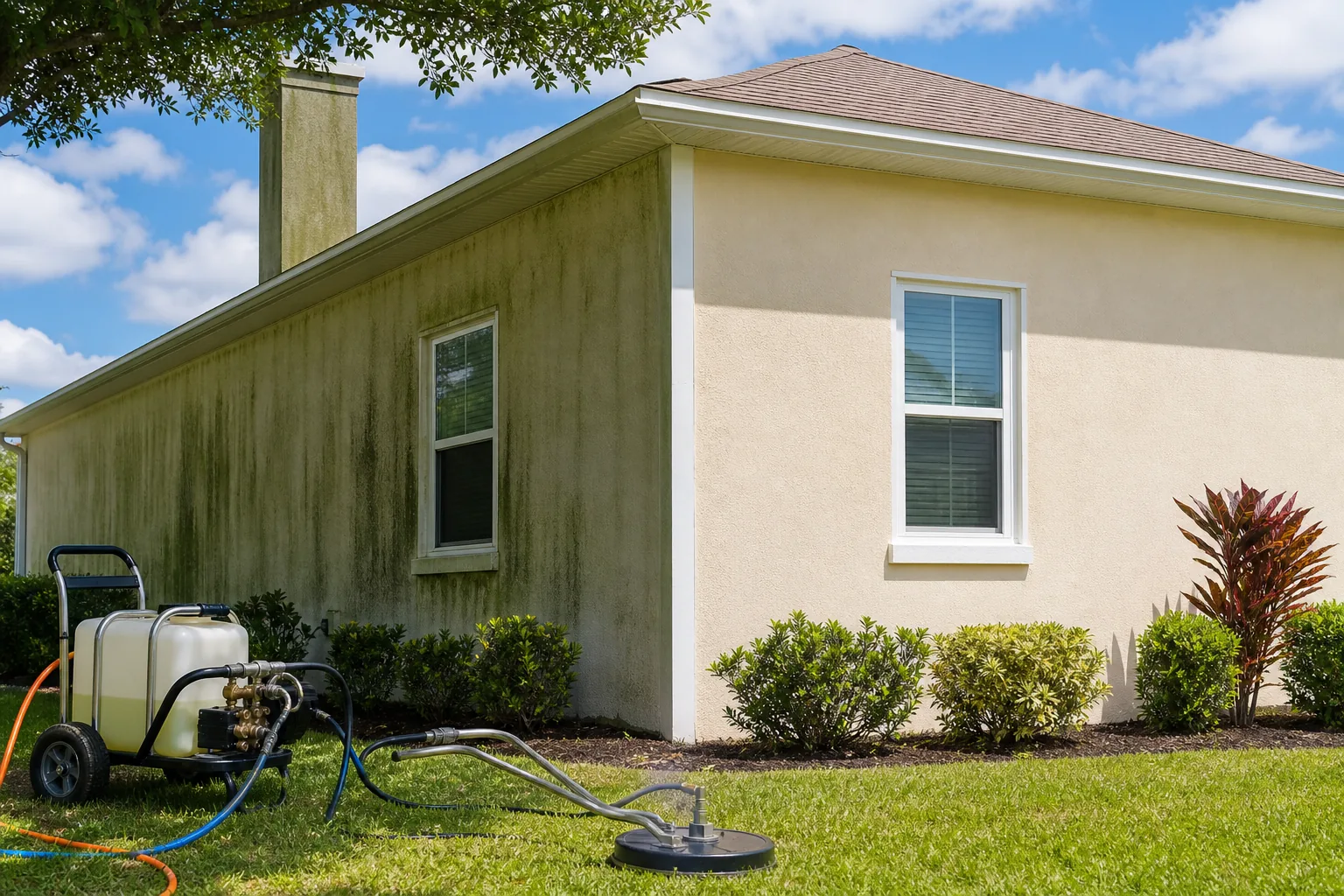
If you see green algae, black streaks, mildew, chalky film, heavy pollen, or dark staining, you may need to clean sooner. Shaded walls often show the first signs of organic growth because they stay damp longer after rain.
Central Florida homes are exposed to heat, humidity, frequent rainfall, landscaping, and long periods of moisture. These conditions can cause organic growth to return faster than it does in a dry climate. Homes near lakes, pools, or other bodies of water may also require more frequent attention.
At Performance Pressure Wash , we don't recommend cleaning a home simply because a certain number of months has passed. The goal is to clean the property when buildup begins returning while using the safest method for each exterior surface.
A simple house-washing schedule
Sunny, open property:Inspect annually. If the exterior remains clean, cleaning every 18 to 24 months may be sufficient.
Shaded or tree-covered property:Inspect more frequently. Many homes in these conditions benefit from cleaning every 6 to 12 months.
Home near a pool, lake, river, or other moisture source:Watch for recurring algae, mildew, and residue. Annual cleaning is a reasonable starting point.
Home with visible organic growth:Don't wait for a scheduled date. Address the buildup when it becomes noticeable.
Home being prepared for sale or painting:Clean the exterior before the project so dirt, mildew, pollen, and surface film do not interfere with the next step.
The same schedule does not apply to every part of your property. Roofs, siding, stucco, driveways, walkways, gutters, and pool enclosures have different cleaning
For a broader property-maintenance schedule, see our property cleaning schedule guide .
What Changes How Often Your House Needs Cleaning?
When homeowners ask how often they should pressure wash a house, the most important question is often not "When was it last cleaned?" but "What is this property exposed to?"
Shade and sunlight
Sunlight helps exterior surfaces dry after rain. Deep shade can keep siding, stucco, concrete, and other surfaces damp for longer periods.
North-facing walls and areas underneath trees are often among the first places where algae and mildew become visible.
Trees and landscaping
Trees provide shade and beauty, but they also drop pollen, leaves, sap, and other organic debris. Dense landscaping can also restrict airflow around the house.
If branches are close to the exterior, buildup may return faster than it would on a home with open space around it.
Humidity and rainfall
Central Florida's warm, humid climate creates favorable conditions for algae and mildew. Periods of frequent rain can also keep exterior surfaces wet for longer.
This is one reason a house-washing schedule that works in a dry climate may not work as well here in Florida.
Irrigation and sprinklers
Sprinklers that repeatedly spray the house can leave mineral deposits and keep exterior surfaces damp. If irrigation regularly hits siding, stucco, screens, or concrete, cleaning may be needed more frequently.
Correcting the source of the moisture can sometimes help extend the time between cleanings.
Nearby water
Homes near pools, lakes, rivers, or other sources of moisture may experience faster organic growth or residue buildup.
This does not automatically mean the home needs frequent cleaning, but it is another reason to inspect the exterior regularly.
Property condition and cleaning schedule
Property conditionWhat it changesSchedule signal | ||
Full sun with open airflow | Surfaces dry faster and may hold less organic growth | Inspect yearly; extend the interval if the finish stays clean |
Deep shade or north-facing walls | Moisture remains longer after rain | Inspect every few months; consider 6–12 months |
Near a lake, river, pool, or other moisture source | Moisture and residue can remain on surfaces | Annual service is a sensible starting point |
Heavy tree cover | Sap, pollen, leaves, and debris accumulate faster | Move service forward when staining or streaking returns |
High humidity or extended rainy periods | Algae and mildew can spread more easily | Inspect after prolonged wet weather |
A simple inspection every few months can help you catch problems early. Look first at shaded walls, areas beneath trees, the lower portions of exterior walls, and surfaces regularly exposed to irrigation.
Early cleaning can often prevent buildup from becoming a larger restoration project.
How Often Should You Clean Different Exterior Surfaces?
The answer to how often you should pressure wash a house also depends onwhat you're cleaning.
A roof should not be treated like a driveway, and painted siding should not be cleaned with the same pressure used for concrete.
Siding and stucco
Vinyl siding, painted wood, aluminum, fiber cement, and stucco generally require a more controlled cleaning method than concrete.
For many residential exteriors,soft washing is preferable to aggressive high-pressure cleaning. Soft washing combines a properly selected cleaning solution with low-pressure application and rinsing to remove organic growth while reducing the risk of damage.
Painted trim requires additional care because excessive pressure can strip loose paint, damage caulking, or force water into vulnerable areas.
Roofs and gutters
Roof cleaning is different from house washing.
Asphalt shingles and tile roofs require appropriate cleaning methods that avoid unnecessary pressure. Black streaks on asphalt shingles are commonly associated with algae growth, while lichen and other growth may require additional treatment and dwell time.
Shade, humidity, nearby trees, and rainfall can cause roof staining to return at different rates, so there is no universal roof-cleaning schedule.
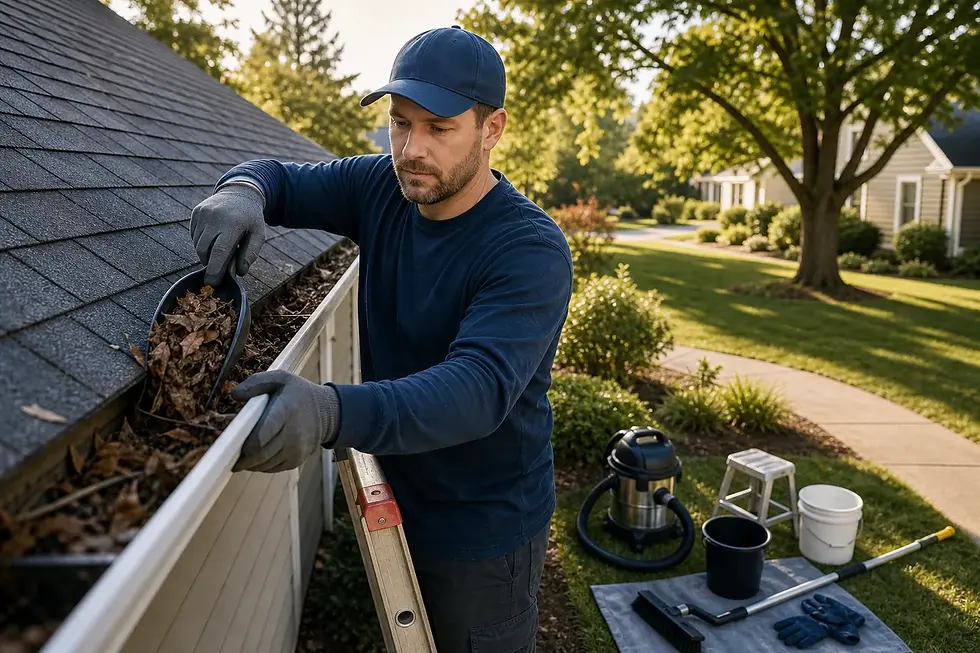
Gutters should be inspected whenever they overflow, become clogged, or leave dark streaks and runoff marks on exterior walls.
Concrete, driveways, and walkways
Concrete can generally tolerate more pressure than siding, but excessive pressure can still damage the surface or create visible etching and cleaning marks.
Driveways and walkways may collect algae, dirt, tire marks, oil, and other contaminants. A professional cleaning method should be selected according to the type of staining and the condition of the concrete.
Algae-covered walkways can also become slippery when wet, making routine maintenance more than just a cosmetic concern.
Pool enclosures and pool decks
Pool screens and enclosures collect pollen, dust, algae, and other airborne debris. Pool decks can also develop slippery organic growth, particularly in shaded or damp areas.
These surfaces benefit from controlled cleaning around screen frames, pool equipment, landscaping, and other nearby features.
Our house washing service explains how we approach exterior residential cleaning and why the cleaning method matters as much as the pressure.
Pressure Washing vs. Soft Washing: Which Should You Use?
People often search for"pressure washing a house,"but the safest cleaning method depends on the surface being cleaned.
High-pressure cleaning can be appropriate for certain durable surfaces, such as properly cleaned concrete. However, many residential surfaces require a gentler approach.
Soft washing uses low pressure combined with an appropriate cleaning solution to address organic growth such as algae, mildew, and other surface contaminants.The objective is to clean the surface effectively without relying on excessive water pressure.
For most residential siding and many roof-cleaning applications, soft washing is generally a better approach than aggressive pressure washing.
If you want to understand the difference in more detail, read our guide to soft washing vs. pressure washing .
The important point is simple:the right cleaning method depends on the material, the type of buildup, and the condition of the surface.
Signs Your House Needs Cleaning Now
You don't always need to wait until your annual cleaning date.
Look around your property for these warning signs:
Green or black streaks on siding or stucco
Algae or mildew growth
Dark areas underneath trees
Heavy pollen or dirt buildup
Black streaks on roof shingles
Dirty or stained pool screens
Green or slippery areas on walkways
Dark runoff marks beneath gutters
Visible discoloration around irrigation areas
Dirt and organic debris accumulating on patios or pool decks
If only one area is showing buildup, that doesn't necessarily mean the entire property needs an aggressive cleaning.
Our Central Florida house washing service details explain how a low-pressure rinse fits painted exterior surfaces. The method matters as much as the date.
A professional inspection can help determine whether you need a full house wash, targeted cleaning, or simply a different maintenance schedule.
DIY or Professional House Washing?
DIY pressure washing can work for some small, ground-level projects, but a home's exterior presents several challenges.
Siding, stucco, windows, screens, plants, electrical components, rooflines, and elevated areas all require different considerations.
If you cannot safely reach an area from the ground or are unsure which cleaning method is appropriate for the surface, professional cleaning is usually the safer option.
Important safety considerations
Avoid using a pressure washer while standing on a ladder.
Keep water away from electrical outlets and other electrical components.
Avoid spraying upward beneath siding panels.
Protect landscaping before applying cleaning solutions.
Keep windows and doors closed during cleaning.
Test delicate surfaces before cleaning the entire area.
Use the appropriate pressure, nozzle, distance, and cleaning method for the surface.
Pressure is only one part of professional exterior cleaning. Water flow, nozzle selection, distance, cleaning solution, dwell time, rinsing technique, and surface condition all affect the final result.
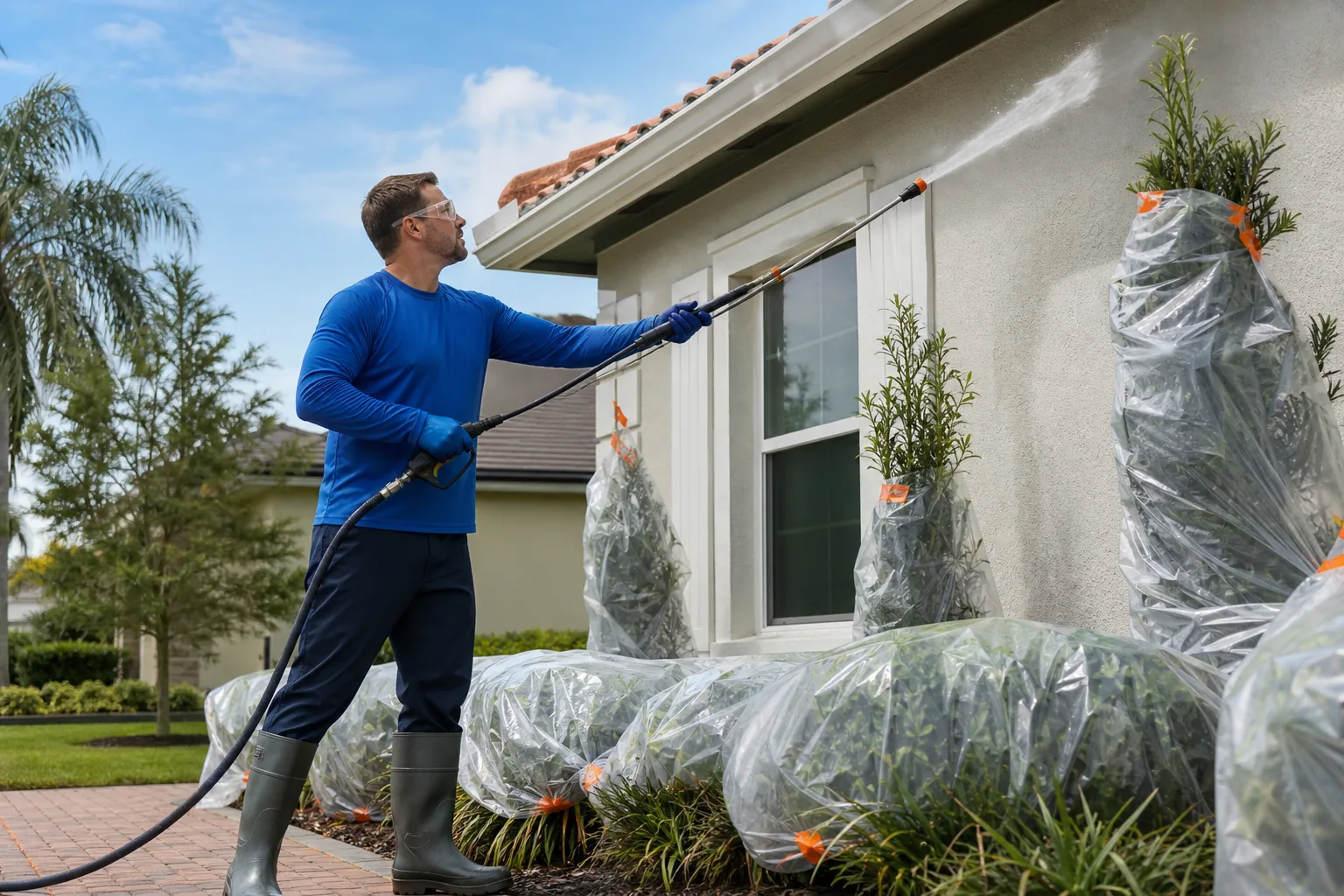
At Performance Pressure Wash, we are licensed and insured and adjust our cleaning process for different surfaces, including siding, stucco, roofs, concrete, pool enclosures, and other residential exteriors.
Cleaning Before Painting or Selling
If you're planning to paint your home, exterior cleaning should generally be part of the preparation process.
Dirt, pollen, mildew, salts, and surface film can interfere with paint adhesion. Cleaning provides a better surface for the next step.
However, a freshly washed exterior must be allowed to dry properly before painting. Rain, shade, humidity, airflow, and the type of material can all affect drying time.
Always follow the coating manufacturer's preparation and drying requirements. A painter may also check moisture levels before applying paint, particularly on wood or areas with limited sunlight.
Selling your home
If you're preparing a home for sale, exterior cleaning can make a noticeable difference before photographs, showings, and inspections.
Consider cleaning:
House siding or stucco
Driveways
Walkways
Pool enclosures
Pool decks
Gutters
Patios
Other visible exterior surfaces
Dark streaks, algae-covered walkways, and dirty screens can make a property appear less maintained even when the underlying structure is in good condition.
For property managers and rental owners, a recurring maintenance schedule can help prevent exterior cleaning from becoming an emergency project.
Our property maintenance resource provides additional ideas for planning recurring exterior maintenance.
Frequently Asked Questions
How often should you pressure wash a house?
Most homes should receive exterior cleaning about once a year as a starting point. Homes with heavy shade, nearby trees, high humidity, irrigation exposure, or recurring algae and mildew may need cleaning every 6 to 12 months. Sunny homes with little buildup may go 18 to 24 months.
What is the best time of year to wash a house?
Spring and fall can both be good times to clean a house. Spring cleaning can remove pollen and winter buildup before the wetter months, while fall cleaning can remove residue and organic debris accumulated during the summer. In Central Florida, however, the property's condition and weather conditions matter more than a specific month.
How long does a house stay clean after pressure washing?
A professionally cleaned home may stay looking clean for approximately 12 to 24 months, but the actual timeframe depends on shade, humidity, trees, irrigation, surface type, and nearby water. Homes with heavy shade or recurring algae growth may need cleaning sooner.
Can pressure washing damage house siding?
Yes. Improper pressure washing can crack or damage siding, dent aluminum, strip paint, damage caulking, or force water behind siding panels. Many residential siding materials are better suited to soft washing or controlled low-pressure cleaning.
What is the difference between pressure washing and soft washing?
Pressure washing relies primarily on mechanical force from pressurized water, while soft washing uses lower pressure along with a cleaning solution designed to address organic growth and surface contaminants. The appropriate method depends on the material, condition, and type of buildup.
How often should a roof be soft washed?
There is no single schedule that works for every roof. Shade, humidity, rainfall, nearby trees, and the condition of the roof can affect how quickly black streaks and organic growth return. Roofs should be cleaned using a method appropriate for the roofing material rather than aggressive pressure.
Should I wash my house before painting?
Yes. Cleaning can remove dirt, pollen, mildew, salts, and other surface contaminants before painting. The exterior should then be allowed to dry properly, and the painter should follow the coating manufacturer's preparation and moisture requirements.
Is it better to hire a professional or do it myself?
DIY cleaning may be suitable for some small, ground-level projects. Professional cleaning is a safer choice when the home is tall, the surface is delicate, organic growth covers a large area, or you are unsure which cleaning method to use. Improper pressure washing can cause damage that costs more to repair than professional cleaning.
Conclusion
For most Central Florida homes,once-a-year exterior cleaning is a good starting point. Homes exposed to heavy shade, trees, humidity, irrigation, or recurring algae may need cleaning every 6 to 12 months, while sunny homes with little buildup may be able to go longer.
The key is to base your cleaning schedule on the condition of your property rather than the calendar alone.
If you're unsure whether your home needs cleaning, Performance Pressure Wash can help you determine the appropriate cleaning method for your siding, stucco, roof, concrete, pool enclosure, or other exterior surfaces.
Ready to see what your property needs? Contact Performance Pressure Wash for a free estimate.

Comments